
Category Archives for Articles

The Importance of Being Humble as a Writer
I believe it was Pulitzer Prize winner Kendrick Lamar who once said, “Sit down, be humble.”
After spending a few years in the writing and editing business, I believe that any and all creators should live by those words. Because nobody likes a jerk, even if they’re talented.
I started writing at a young age, so luckily my over-inflated ego disappeared with my immaturity and naivete about the writing business. The time I stopped believing my sad poem about the 16-year-old boy who didn’t like me back was Art, was the same time I realized I wasn’t hot shit. However, I often come across writers older than me that believe their writing is perfect, untouchable even. They resist any feedback because who could dare change their words?
I’ve even had a writer flat out reject my edits to their grammar mistakes. The usage of a question mark isn’t really debatable. But here we are.

How To Use Copywork to Find Your Voice
For centuries, aspiring writers have spent hours copying out the work of masters in order to learn the secrets of being a great writer.
We’ve gone into detail before about what copywork is and how you can use it to benefit your writing. The idea behind this practice is that copying out sentences, passages, or even entire works of excellent writers will grant you an understanding of what makes the writing so good, therefore giving you those tools to use in your own writing.
As well as generally improving your writing, the practice of copywork can also help you find your voice. You know—that unique, can’t-put-your-finger-on-it quality that makes each person’s writing sound distinctly theirs.
You may be wondering how imitating the work of another writer can help you discover your voice. I’ll admit, it does seem a bit counterintuitive.
Copywork can help you find your voice by giving you greater control, letting you try on different styles without committing to them, and helping you find inspiration.
Incorporating copywork into your writing practice helps you model your writing after the masters and find your voice in the process.
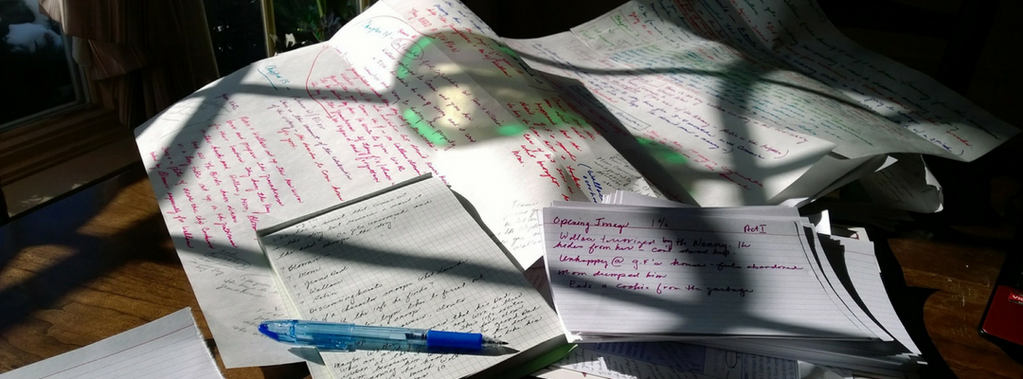
A Case Against Having a Daily Writing Quota
In online discussions with other writers, the “big Q” question sooner or later pops up: “What’s your daily writing quota?”
Well, let’s get that out of the way immediately, so that we can focus on the how’s and why’s, which are more important: I don’t have a daily writing quota—that is, a daily word-count goal.
Some days (albeit rarely) I write 5,000 words. Some days I write 50 words. There can be days or weeks with 0 words.
But I always get the job done and, more importantly, I like the result.
So, let me proudly declare it right away: I am vehemently against daily writing quotas, and I believe writers do not help themselves by obeying a daily writing quota.
That statement by itself is useless without some elaboration, so perhaps it’s more fruitful to explain why I don’t believe in such self-imposed goals and, more crucially, what there is to gain from not having a daily writing quota.

How To Write in Books to Become a Better Thinker
There may be no fiercer turf war in literary society than the preservation of a book’s pristine quality.
Seriously, those Oxford comma folks have nothing on this debate.
To write in, dog ear, markup, and annotate the books you read and love—or to carefully respect and honor the delicate spine and pure-white paper … that is the question.
I personally have been, and will always be, a contributor to the art of marginalia. Comments, symbols, highlights, underlines—they are all in there. Being able to mark important areas and note brief thoughts on what I’ve read are an essential part of understanding and interpreting what I’ve read.
That isn’t the case for everyone, though. In fact, some people get downright feisty about it.